Sports
Brazil 2027: Eleven Months Out
The tenth FIFA Women's World Cup kicks off in Brazil on June 24, 2027, and ends at the final on July 25. Thirty-two teams, sixty-four matches, eight cities. It is the first Women's World Cup held in South America, and the last that will be played with a 32-team field before FIFA expands to 48 for 2031.
Here's where things actually stand.
## The eight cities
Belo Horizonte (Mineirão), Brasília (Estádio Nacional), Fortaleza (Arena Castelão), Porto Alegre (Beira-Rio), Recife (Arena de Pernambuco), Rio de Janeiro (Maracanã), Salvador (Arena Fonte Nova), São Paulo (Arena Itaquera).
All eight hosted matches at the 2014 men's World Cup, which is the point — Brazil is running this on existing stadiums with existing training infrastructure. Twelve cities were nominated by the CBF. Belém, Cuiabá, Manaus and Natal missed the cut.
The final venue has not been confirmed publicly as of this writing. The Maracanã is the obvious candidate and the sentimental one; it staged the men's finals in 1950 and 2014.
## The format
Eight groups of four. Top two from each group advance to a round of 16, then quarter-finals, semis, final.
Qualification slots: 11 UEFA, 6 AFC, 4 each for CAF, Concacaf and CONMEBOL, 1 OFC, plus intercontinental play-off places. Brazil qualify automatically as hosts, taking one of CONMEBOL's four.
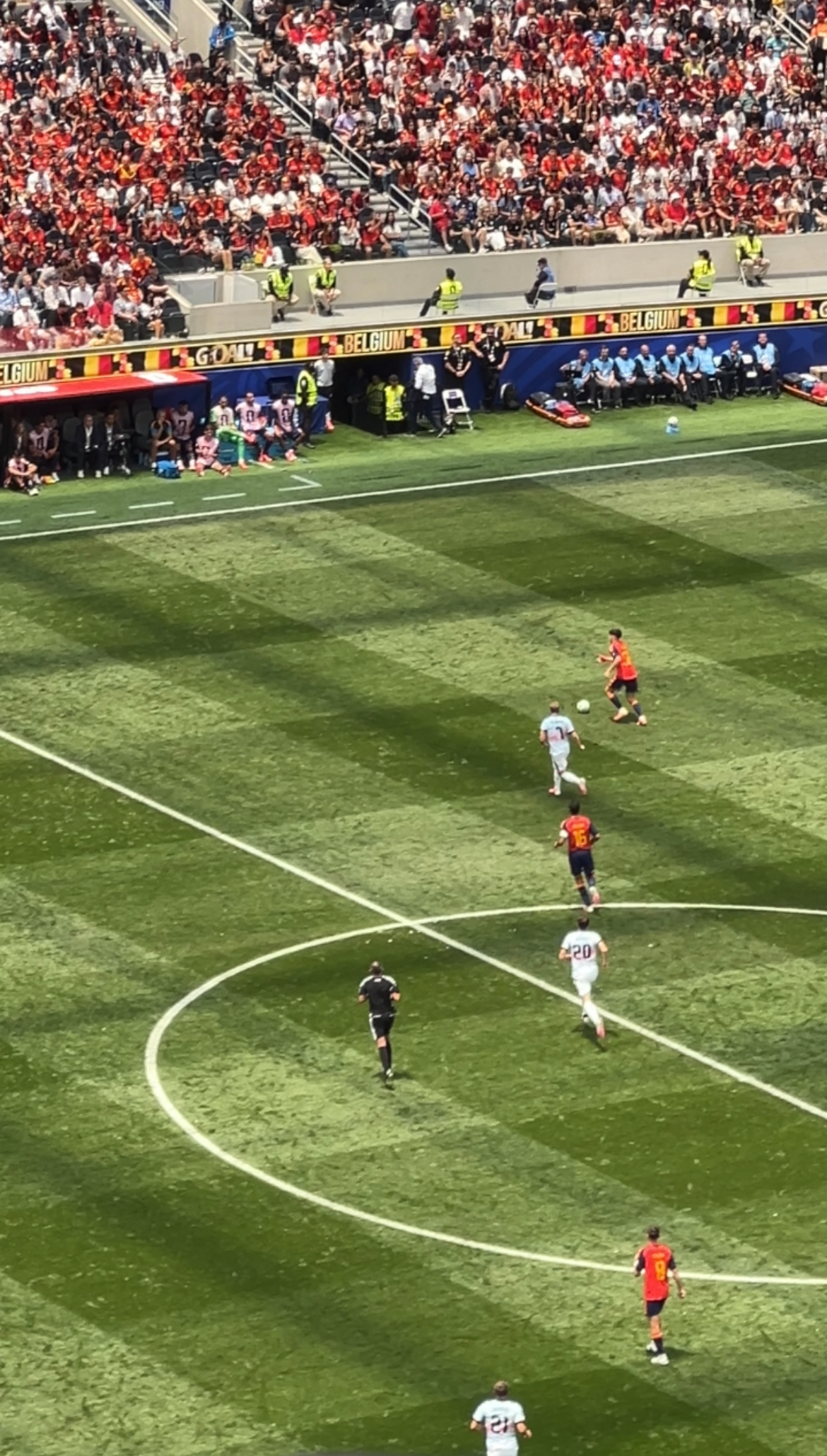
Spain arrive as defending champions, having won their first title in 2023 — and now carrying a men's title alongside it after July's final in New Jersey. No nation has held both simultaneously before.
## Why this edition matters more than the bracket suggests
Three things are converging.
It's the last 32-team tournament. Whatever happens in Brazil becomes the closing argument for a format that produced the 2023 and 2027 editions. Expansion to 48 is already confirmed. Everyone arguing about competitive balance in women's football is arguing about the evidence this tournament generates.
It's South America's first. The women's game in Brazil has operated for decades in the shadow of the men's, under a federation that only formally professionalized the domestic women's league in recent years. A home World Cup is the largest forcing function that infrastructure has ever faced.
The timing is unusually good. It follows a men's World Cup on the same continental doorstep by less than twelve months, into a global audience already warmed up.
## What to watch between now and June
The group-stage draw sets the bracket and the travel maps — until then, nobody's planning anything precisely. Play-off fixtures are still resolving several qualification places. And the host cities have begun operational planning with FIFA staff embedded, which is when the practical details start surfacing: transport, accreditation, ticketing.
If you're planning to be there, the two decisions that matter early are accommodation and internal flights. Brazil is large, the eight cities are spread across five regions, and a group-stage itinerary that looks reasonable on a map can involve four-hour flights between fixtures.
More as the schedule lands.